



- Konu Yazar
- #1
The Leuze LBK 3D radar system gains CIP Safety, offering robust human detection in dusty, smoky, or low-visibility areas while easing network integration.
Leuze has upgraded its LBK 3D radar safety system with a CIP Safety interface, enabling seamless integration into EtherNet/IP networks. Unlike optical sensors, the radar-based system remains reliable in dusty, smoky, or particle-heavy environments, making it ideal for welding, wood, or chemical applications. Its ability to ignore static objects like pallets reduces false alarms and downtime. With scalable multi-sensor setups, the LBK now combines rugged human detection with flexible, standards-based connectivity for smarter machine protection.
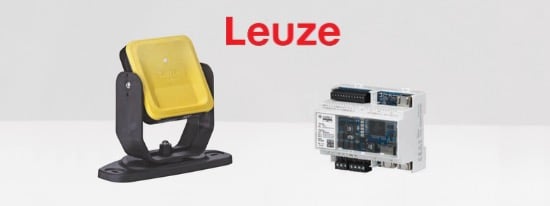
Leuze adds CIP Safety to LBK 3D radar system for safer, smarter machine protection.
Leuze adds CIP Safety to LBK 3D radar system for safer, smarter machine protection. Image used courtesy of Leuze
Leuze adds CIP Safety to LBK 3D radar system for safer, smarter machine protection. Image used courtesy of Leuze
The LBK radar system can send certified safety signals directly over standard Ethernet/IP networks with the new CIP Safety interface. That helps simplify wiring and makes integration with PLCs more straightforward. It also supports easier system diagnostics and can ignore static objects like pallets or containers, so it only reacts when an actual person enters the monitored zone.
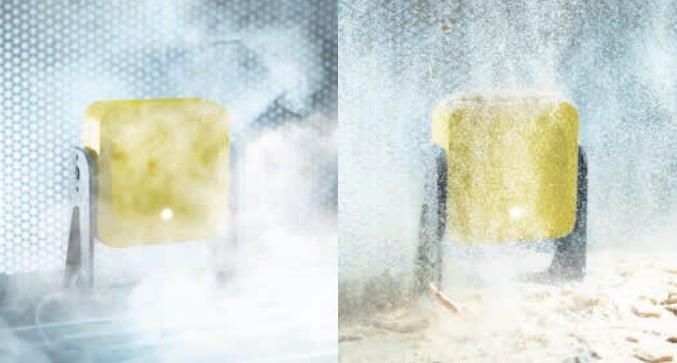
The LBK uses radar and can negate common environmental influences that would halt most area scanners.
The LBK uses radar and can negate common environmental influences that would halt most area scanners. Image used courtesy of Leuze
The LBK uses radar and can negate common environmental influences that would halt most area scanners. Image used courtesy of Leuze
Flexible Coverage, Even in Harsh Conditions
The LBK system uses 3D radar sensing to monitor access and presence within defined protection zones, unaffected by dust, smoke, or ambient light. Each controller supports up to six sensors
, and with four channel configurations, a single setup can scale to 24 sensors, enough to guard large open areas or intricate layouts like AGV routes, crane paths, or material transfer points. Its radar technology distinguishes between people and static objects like pallets, ensuring reliable detection even in tough environments such as welding stations, wood shops, or chemical plants. Adjustable protective and warning fields allow engineers to fine-tune the monitored area, including around steps, pedestals, or partially obstructed spaces.
Leuze has designed the LBK safety radar to be reliable for operation in environments with airborne contaminants such as dust, smoke, oil mist, and welding particles, and unlike optical safety devices, it maintains consistent performance without interference from these conditions, reducing the likelihood of false triggers or unplanned system interruptions.
Using 3D radar detection, the system identifies human presence within a defined zone. It can detect stationary individuals and those partially obstructed by non-metallic objects. This capability supports applications where line-of-sight may be limited and where accurate detection of personnel is critical for machine safety compliance.
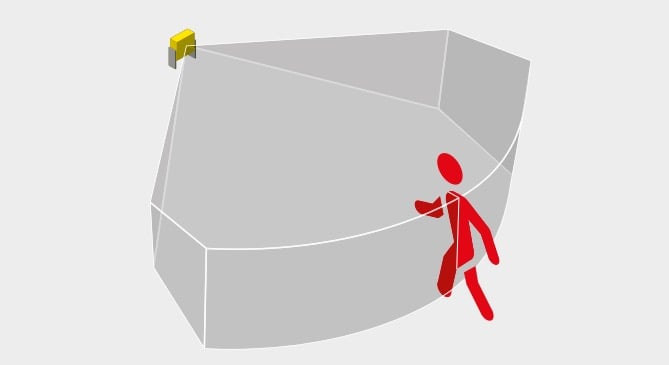
The LBK looks for non-static objects rather than simple presence detectors.
The LBK looks for non-static objects rather than simple presence detectors. Image used courtesy of Leuze
The LBK looks for non-static objects rather than simple presence detectors. Image used courtesy of Leuze
One of the more practical features: the radar system ignores non-human static objects. That means pallets, containers, or tool trays left in the zone won’t trigger false alarms or safety shutdowns. Only people entering the protected area will cause the system to react. For those who have used area scanners, you probably know the frustration of bins or pallets being left in an area and eit
her slowing down or stopping production.
Setup is straightforward. One controller can support up to six sensors, and with four channels per controller, systems can scale to 24 sensors if needed. Using the LBK Designer software, engineers can quickly tailor the coverage area by adjusting the range, width, and orientation of each detection lobe—no complex programming required. And with CIP Safety, PROFIsafe, and FSoE controller options, integration into existing safety networks is seamless.
Integration with CIP Safety
By adding CIP Safety, Leuze makes the LBK controller directly compatible with EtherNet/IP-based safety systems, simplifying integration for plants already using CIP networks and reducing the need for gateways or extra configuration. Versions of PROFIsafe and FSoE interfaces are also available for users in other environments. Configuration is handled with the LBK Designer software, and parameters can even be transferred via SD card, streamlining setup in multi-sensor installations.
Hazard area guarding: particularly where dust, smoke, or debris would disable optical sensors.
Mobile system safety: monitoring AGV or crane travel paths in busy or reflective environments.
With CIP Safety now integrated, the Leuze LBK radar system combines proven human detection in harsh environments with modern, secure networking. For manufacturers and logistics operators, the LBK safety radar sensor keeps people safe while avoiding unnecessary shutdowns caused by static objects accidentally left in the working zone. In industries where uptime is critical, that balance of safety and practicality can make all the difference.
Leuze has upgraded its LBK 3D radar safety system with a CIP Safety interface, enabling seamless integration into EtherNet/IP networks. Unlike optical sensors, the radar-based system remains reliable in dusty, smoky, or particle-heavy environments, making it ideal for welding, wood, or chemical applications. Its ability to ignore static objects like pallets reduces false alarms and downtime. With scalable multi-sensor setups, the LBK now combines rugged human detection with flexible, standards-based connectivity for smarter machine protection.
Leuze adds CIP Safety to LBK 3D radar system for safer, smarter machine protection.
Leuze adds CIP Safety to LBK 3D radar system for safer, smarter machine protection. Image used courtesy of Leuze
Leuze adds CIP Safety to LBK 3D radar system for safer, smarter machine protection. Image used courtesy of Leuze
The LBK radar system can send certified safety signals directly over standard Ethernet/IP networks with the new CIP Safety interface. That helps simplify wiring and makes integration with PLCs more straightforward. It also supports easier system diagnostics and can ignore static objects like pallets or containers, so it only reacts when an actual person enters the monitored zone.
The LBK uses radar and can negate common environmental influences that would halt most area scanners.
The LBK uses radar and can negate common environmental influences that would halt most area scanners. Image used courtesy of Leuze
The LBK uses radar and can negate common environmental influences that would halt most area scanners. Image used courtesy of Leuze
Flexible Coverage, Even in Harsh Conditions
The LBK system uses 3D radar sensing to monitor access and presence within defined protection zones, unaffected by dust, smoke, or ambient light. Each controller supports up to six sensors
, and with four channel configurations, a single setup can scale to 24 sensors, enough to guard large open areas or intricate layouts like AGV routes, crane paths, or material transfer points. Its radar technology distinguishes between people and static objects like pallets, ensuring reliable detection even in tough environments such as welding stations, wood shops, or chemical plants. Adjustable protective and warning fields allow engineers to fine-tune the monitored area, including around steps, pedestals, or partially obstructed spaces.
Leuze has designed the LBK safety radar to be reliable for operation in environments with airborne contaminants such as dust, smoke, oil mist, and welding particles, and unlike optical safety devices, it maintains consistent performance without interference from these conditions, reducing the likelihood of false triggers or unplanned system interruptions.
Using 3D radar detection, the system identifies human presence within a defined zone. It can detect stationary individuals and those partially obstructed by non-metallic objects. This capability supports applications where line-of-sight may be limited and where accurate detection of personnel is critical for machine safety compliance.
The LBK looks for non-static objects rather than simple presence detectors.
The LBK looks for non-static objects rather than simple presence detectors. Image used courtesy of Leuze
The LBK looks for non-static objects rather than simple presence detectors. Image used courtesy of Leuze
One of the more practical features: the radar system ignores non-human static objects. That means pallets, containers, or tool trays left in the zone won’t trigger false alarms or safety shutdowns. Only people entering the protected area will cause the system to react. For those who have used area scanners, you probably know the frustration of bins or pallets being left in an area and eit
her slowing down or stopping production.
Setup is straightforward. One controller can support up to six sensors, and with four channels per controller, systems can scale to 24 sensors if needed. Using the LBK Designer software, engineers can quickly tailor the coverage area by adjusting the range, width, and orientation of each detection lobe—no complex programming required. And with CIP Safety, PROFIsafe, and FSoE controller options, integration into existing safety networks is seamless.
Integration with CIP Safety
By adding CIP Safety, Leuze makes the LBK controller directly compatible with EtherNet/IP-based safety systems, simplifying integration for plants already using CIP networks and reducing the need for gateways or extra configuration. Versions of PROFIsafe and FSoE interfaces are also available for users in other environments. Configuration is handled with the LBK Designer software, and parameters can even be transferred via SD card, streamlining setup in multi-sensor installations.
Hazard area guarding: particularly where dust, smoke, or debris would disable optical sensors.
Mobile system safety: monitoring AGV or crane travel paths in busy or reflective environments.
With CIP Safety now integrated, the Leuze LBK radar system combines proven human detection in harsh environments with modern, secure networking. For manufacturers and logistics operators, the LBK safety radar sensor keeps people safe while avoiding unnecessary shutdowns caused by static objects accidentally left in the working zone. In industries where uptime is critical, that balance of safety and practicality can make all the difference.